
CONFERENCE
Orphan Drugs
and Barriers to
Access in Latin America



Organized by Harriet Joyce Foundation in collaboration with Rare Diseases International (RDI), the RDI-Lancet Commission on Rare Diseases and Universidad de las Américas , this event aims to advance a technical and policy-driven dialogue on equitable access to orphan drugs and early diagnosis in Latin America, grounded in scientific evidence and real-world clinical experience.
Held in recognition of International Rare Disease Day, the conference will convene global experts, policymakers, and health system leaders to examine barriers and identify actionable solutions. The agenda includes dedicated sessions on cystic fibrosis, focusing on early diagnosis, newborn screening, access to CFTR modulators, and the structural challenges of delivering comprehensive care across the region.
Sessions
GUARDIAN (Genomic Uniform-screening Against Rare Diseases in All Newborns) - Dr. Wendy Chung
FEB
26
Quito, Ecuador — Hosted by Universidad de las Américas (UDLA)
09H00 18H30
26
FEB
One-Day Congress Agenda
08:45 – 09:15
Registration & Welcome Coffee
09:15 – 09:35
Opening Remarks — Why Rare Diseases and Orphan Drugs Matter in Latin America
09:35 – 10:05
Keynote I — Genomics, Early Diagnosis, and Equity in Rare Diseases (Taped)
Format: Keynote (recorded)
Speaker: Dr. Wendy Chung
10:05 – 10:30
Keynote II — From Genomic Discovery to Population Health
Format: Keynote
Speaker: Dr. David Bick
10:30 – 10:55
Scene-Setter — Rare Diseases, Children, and Health-System Readiness
Format: Scene-setting keynote
Speaker: Dr. Roberto Giugliani
10:55 – 11:10
Coffee Break
11:10 – 12:10
Session 1 — Proof That Early Diagnosis + Treatment Change Outcomes
Format: Two case studies + moderated synthesis
Objective: Establish the clinical and economic “proof” needed for policy action
11:10 – 11:35
Case Study A: PKU — From Natural
History to Transformation
Speaker: Prof. Verónica Cornejo, Msc
11:35 – 12:05
Case Study B: Cystic Fibrosis — Before and After CFTR Modulators
Format: Mini panel
Panelists: Dr. Richard Parad
12:05 – 12:10
Synthesis (5 minutes)
Moderator: Dr. Juan Francisco Cabello,
Alexandra Heumber, Dr. Alcy Torres
12:10 – 13:00
Session 2 — Cystic Fibrosis Spotlight: From Approval to the Patient in Latin America
Format: Moderated spotlight panel + one family vignette
Objective: Identify where access breaks across diagnosis, regulation, procurement, reimbursement, and continuity of care.
Panelists: Dr. Richard Parad; Dr. Jorge Lascano; ARCSA Representative, family representative (Quito); CF Association USA representative
Moderator: Dr. Juan Francisco Cabello, Alexandra Heumber, Dr. Alcy Torres
13:00 – 13:45
Networking Lunch
13:45 – 14:35
Session 3 — Orphan Drugs in Latin
America: The Reality on the Ground
(Cross-Country)
Format: Comparative panel (rapid, disciplined)
Panelists: Dr. Roberto Giugliani; Félix Galarza; Diego Gil; Dra. Solana Terrazas; Dr. Manuel Saborío; Dra. Mariana Rico.
Moderator: Dr. Juan Francisco Cabello, Alexandra Heumber, Dr. Alcy Torres
Format rule: 3 minutes each + moderator synthesis
14:35 – 14:55
Session 4 — Patient and Family
Vignettes (Impact of Access Delays)
Format: Short vignette panel
Panelists: Dr. Tatiana Roy Torales; Dr. Heydi Sanz; Maribel Tomalá Torres; Maria Isabel Pacheco
Moderator: Dr. Alcy R. Torres, Alexandra Heumber, Dr. Francisco Cabello
14:55 – 15:45
Session 5 — Right to Health, Medical Ethics, and Access to Orphan Drugs
Format: Moderated panel
Panelists: Dr. Juan Francisco Cabello; Dr. Jimmy Martin; Dr. Alcy R. Torres
Moderator: Dr. Juan Francisco Cabello, Alexandra
Heumber, Dr. Alcy Torres
Output captured: 3 principles for ethical, patient-centered access decision-making (for the policy brief)
15:45 – 16:25
Session 6 — From Approval to the
Patient: Economics, Procurement,
and the Access Gap
Format: Solutions panel
Panelists: Dr. Jimmy Martin; Dr. Solana Terrazas; Dr. Mariana Rico, Dr. Veronica Quintana
16:25 – 16:40
Coffee Break
16:40 – 17:10
Session 7 — Early Diagnosis as an
Orphan-Drug Strategy (NBS + ROI)
Format: Paired expert segment + tight integration
Speakers: Dr. Manuel Saborío; Prof. Verónica Cornejo
Moderator: Dr. Juan Francisco Cabello, Alexandra Heumber, Dr. Alcy Torres
17:10 – 17:30
Session 8 — The Power of the Patient Voice in Orphan-Drug Access
Format: Advocacy panel
Panelists: RDI patient advocate representative(s)
(TBC: Costa Rica/Bolivia/Uruguay)
Moderator: Dr. Juan Francisco Cabello,
Alexandra Heumber, Dr. Alcy Torres
Output captured: Practical model for ongoing patient participation in policy/coverage decisions
17:30 – 17:50
Session 9 — Academic Partnership
Slot (UDLA & USFQ)
Format: Short institutional panel
Panelists: UDLA + USFQ representatives
Moderator: Dr. Juan Francisco Cabello,
Alexandra Heumber, Dr. Alcy Torres
17:50 – 18:10
Session 10 — Bridging Regional Realities and the WHA Resolution on Rare
Diseases: Latin America’s Contributions to the GAPRD
Format: Commission panel + regional pathway
Panelists: Kym Boycott (TBC); Chloe Wilson (TBC);
Alana Miller
Moderator: Alexandra Heumber
18:10 – 18:30
Closing — From Case Studies to Policy Action
Format: Brief closing commitments + next steps
Speakers: Dr. Alcy R. Torres; Dr. Juan Francisco Cabello, Felicitas Colombo
Agenda del congreso de un día
08:45 – 09:15
Inscripción y coffee break
09:15 – 09:35
Palabras de apertura: por qué las enfermedades raras y los medicamentos huérfanos son importantes en América Latina
Formato: Palabras de apertura
Ponentes: Jeffrey Himmel, Diego Gil, María José Pinto (ventana de comentarios protegida; si se retrasa, los comentarios se trasladan a las 10:00)
09:35 – 10:05
Ponencia principal I: Genómica, diagnóstico precoz y equidad en las enfermedades raras
Formato: Ponencia principal
Ponente: Dra. Wendy Chung
10:05 – 10:30
Ponencia principal II: Del descubrimiento genómico a la salud de la población
Formato: Ponencia
Ponente: Dr. David Bick
10:30 – 10:55
Contexto: Enfermedades raras, niños y preparación del sistema sanitario
Formato: Ponencia introductoria
Ponente: Dr. Roberto Giugliani
10:55 – 11:10
Coffee Break
11:10 – 12:10
Sesión 1: Pruebas de que el diagnóstico precoz y el tratamiento cambian los resultados
Formato: Dos estudios de casos + síntesis moderada
Objetivo: Establecer la «prueba» clínica y económica necesaria para la acción política.
11:10 – 11:35
Estudio de caso A: PKU — De la historia natural a la transformació
Ponente: Prof. Verónica Cornejo, Msc.
11:35 – 12:05
Estudio de caso B: Fibrosis quística: antes y después de los moduladores CFTR
Formato: Mini panel.
Panelistas: Dr. Richard Parad.
12:05 – 12:10
Síntesis (5 minutos)
Moderadores: Dr. Juan Francisco Cabello, Dr. Alcy Torres
12:10 – 13:00
Sesión 2 — La fibrosis quística en el punto de mira: de la aprobación al paciente en Latinoamérica
Formato: Panel moderado + una viñeta familiar
Objetivo: Identificar dónde se interrumpe el acceso en el diagnóstico, la regulación, la adquisición, el reembolso y la continuidad de la atención.
Panelistas: Dr. Richard Parad; Dr. Jorge Lascano; Dr. Daniel Sánchez, representante familiar (Quito); representante de la Asociación de FQ de EE. UU.
Moderadores: Dr. Juan Francisco Cabello, Dr. Alcy Torres
13:00 – 13:45
Almuerzo de networking
13:45 – 14:35
Sesión 3 — Medicamentos huérfanos en América Latina: la realidad sobre el terreno (entre países)
Formato: Panel comparativo (rápido, disciplinado)
Panelistas: Dr. Roberto Giugliani; Félix Galarza; Dra. Mariana Rico; Diego Gil; Dra. Solana Terrazas; Dr. Manuel Saborío.
Moderadores: Dr. Juan Francisco Cabello, Dr. Alcy Torres
Regla de formato: 3 minutos cada uno + síntesis del moderador
14:35 – 14:55
Sesión 4 — Viñetas de pacientes y familias (impacto de los retrasos en el acceso)
Formato: Panel de viñetas breves
Panelistas: Dra. Tatiana Roy Torales; Dra. Heydi Sanz; Maribel Tomalá Torres; María Isabel Pacheco
Moderador: Dr. Alcy R. Torres, Dr. Francisco Cabello
14:55 – 15:45
Sesión 5 — Derecho a la salud, ética médica y acceso a medicamentos huérfanos
Formato: Panel moderado
Panelistas: Dr. Juan Francisco Cabello; Dr. Jimmy Martin; Dr. Alcy R. Torres
Moderadores: Dr. Juan Francisco Cabello, Dr. Alcy Torres
Resultado obtenido: tres principios para la toma de decisiones éticas y centradas en el paciente en materia de acceso (para el informe de políticas)
15:45 – 16:25
Sesión 6 — De la aprobación al paciente: economía, adquisición y brecha de acceso
Formato: Mesa redonda sobre soluciones
Panelistas: Dr. Jimmy Martin; Dra. Solana Terrazas; Dra. Mariana Rico; Dra. Verónica Quintana
Moderador: Dr. Juan Francisco Cabello, Dr. Alcy Torres
Resultado obtenido: «Las 5 palancas principales del sistema» (precios/cobertura, adquisición, contratación, RWE/HTA, continuidad del suministro)
16:25 – 16:40
Coffee Break
16:40 – 17:10
Sesión 7: El diagnóstico precoz como estrategia para los medicamentos huérfanos (NBS + ROI)
Formato: Segmento de expertos emparejados + integración estrecha
Ponentes: Dr. Manuel Saborío; Prof. Verónica Cornejo
Moderadores: Dr. Juan Francisco Cabello, Dr. Alcy Torres
17:10 – 17:30
Sesión 8 — El poder de la voz del paciente en el acceso a los medicamentos huérfanos
Formato: Panel de defensa
Panelistas: Ronny Garro, Iliaria Borges, Félix Galarza
Moderador: Debra Bello, Dr. Juan Francisco Cabello
Resultado obtenido: Modelo práctico para la participación continua de los pacientes en las decisiones sobre políticas y cobertura
17:30 – 17:50
Sesión 9 — Espacio para la colaboración académica (UDLA y USFQ)
Formato: Mesa redonda institucional breve
Panelistas: Representantes de la UDLA y la USFQ
Moderador: Dr. Juan Francisco Cabello, Dr. Alcy Torres
17:50 – 18:10
Sesión 10 — Tendiendo puentes entre las realidades regionales y la resolución de la AMS sobre enfermedades raras: las contribuciones de América Latina al GAPRD
Formato: Presentación Internacional de Enfermedades Raras
Panelistas: Chloe Wilson, Alana Miller
18:10 – 18:30
Clausura: de los estudios de casos a la acción política
Formato: Breves compromisos de clausura + próximos pasos
Ponentes: Dr. Alcy R. Torres; Dr. Juan Francisco Cabello, Felicitas Colombo
Meet our Experts

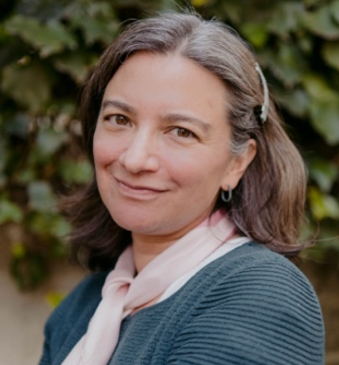
Debra Bellon
Debra Bellon
Debra Bellon is the Strategic Engagement Manager for Rare Diseases International (RDI), the global alliance of Persons Living with a Rare Disease. Debra’s role focuses on strengthening connections among RDI’s 140 member organizations in 50 countries, with an emphasis on knowledge exchange and capacity building at the global, regional and national levels.
By collaborating closely with members and partners, she works to advance recognition of rare diseases as a public health priority, with a focus on improving access to diagnosis, treatment, and care across diverse health systems. A graduate of Harvard University and UCLA, and a former Fulbright Scholar, Debra brings extensive experience in communications, health innovation, disability rights, partnership development, and patient advocacy to her work.
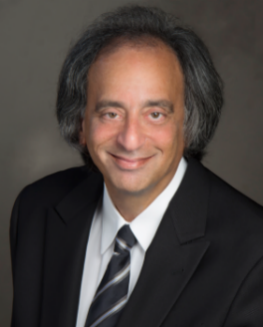
Jeffrey Himmel
Jeffrey Himmel
Jeffrey Himmel is the Founder of the Harriet Joyce Foundation, a nonprofit advancing early childhood health in Latin America, particularly Ecuador. The Foundation partners with medical and research institutions to strengthen healthcare systems, build capacity in science and medicine, develop epidemiological data to inform policy, and support physicians and families. A seasoned healthcare entrepreneur, Himmel previously served as Chairman and CEO of The Himmel Group, leading the growth and sale of major consumer health brands. In 2025, he was appointed Strategic Advisor to the Rare Disease International–Lancet Commission, advising on pathways from global recommendations to country-level execution—especially in Latin America—bringing expertise in health financing, public–private partnerships, and implementation strategy. Himmel has spoken widely on rare disease across Latin America, Europe, and Asia.
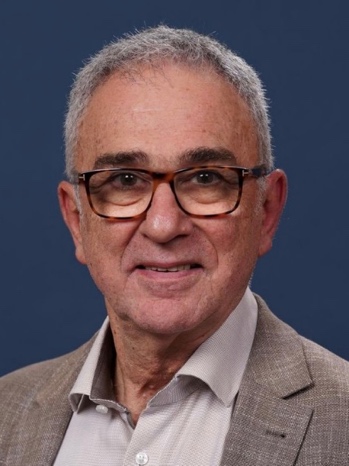
Dr. Roberto Giugliani
Dr. Roberto Giugliani
Dr. Roberto Giugliani is co-chair of the RDI-Lancet Commission on Rare Diseases, full Professor of Genetics at the Federal University of Rio Grande do Sul (UFRGS) in Porto Alegre, Brazil, and founder of the Medical Genetics Service at Hospital de Clínicas de Porto Alegre. He co-founded Casa dos Raros, the first comprehensive rare disease center in Latin America, and the Genetics for All Institute. He serves as Coordinator of the Brazilian National Institute of Population Medical Genetics (INAGEMP), Head of Rare Diseases at DASA Genomics, and Editor-in-Chief of the Journal of Inborn Errors of Metabolism and Screening. With more than 500 scientific publications and leadership roles in major genetic societies, Dr. Giugliani has supervised over 100 graduate students and delivered more than 800 lectures worldwide. A recipient of Brazil’s National Order of Scientific Merit, he is globally recognized for his contributions to advancing diagnosis, treatment, and policy for rare and metabolic diseases.
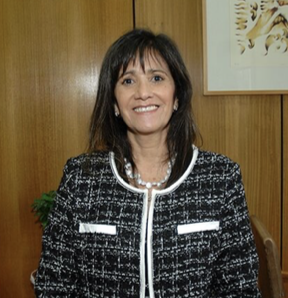
Nut. Verónica Cornejo, MSc.
Nut. Verónica Cornejo, MSc.
Nut. Verónica Cornejo, MSc. University professor, nutritionist, and holder of a master’s degree in human nutrition from the University of Chile, she specialized in metabolic diseases at Children’s Hospital Los Angeles (USA). Verónica Cornejo has been a member of the Advisory Committee of the National Neonatal Screening Program for Phenylketonuria and Congenital Hypothyroidism of the Ministry of Health since 1995. Author of more than 90 national and international publications, more than 70 book chapters and educational materials, and editor of the books Errores Innatos del Metabolismo del Niño (Inborn Errors of Metabolism in Children, 4th ed.) and Nutrición en el Ciclo Vital (Nutrition in the Life Cycle). She was recently appointed by the Ministry of Health as a member of the Technical Advisory Commission on Rare Diseases, as a “national expert professional.” Until recently, she directed the Laboratory of Genetics and Metabolic Diseases (INTA) and is the academic director of specialization courses in Chronic Noncommunicable Diseases of Nutritional Origin, Diagnosis and Treatment of Inborn Errors of Metabolism, and Ketogenic Diet in Refractory Epilepsy.
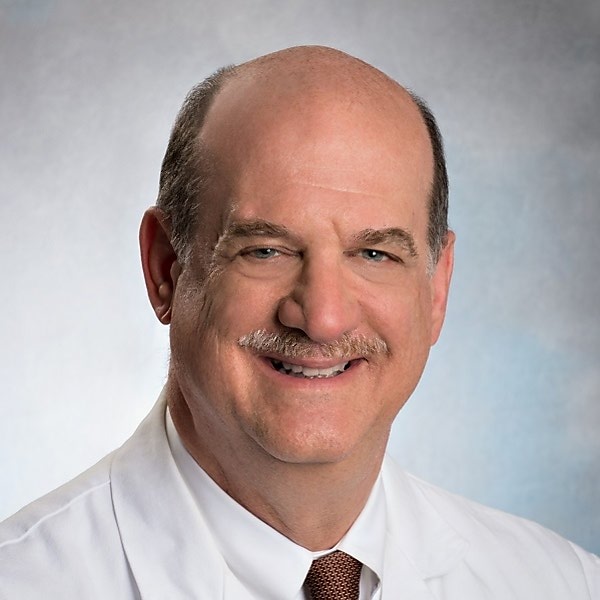
Dr. Richard Parad
Dr. Richard Parad
Dr. Richard Parad is an attending neonatologist and Associate Professor of Pediatrics, Department of Pediatric Newborn Medicine, Harvard Medical School Department of Pediatrics, Brigham and Women’s Hospital. He directs the Neonatal Genomic Medicine Program at Brigham and Women’s Hospital. Dr. Parad’s research focuses on genomic sequencing for screening and diagnosing disorders in newborns, as well as clinical trials for improving treatment of neonatal lung disorders. He completed his medical degree at the University of California, San Diego, and his residency and fellowship at Boston Children’s Hospital. He underwent dual training in Perinatal-Neonatal Medicine and Pediatric Pulmonology at Boston Children’s Hospital. He is the Director of the Program in Newborn Genomics. In addition to caring for newborns in the Newborn Intensive Care Unit (NICU), he is a core member of the Growth and Development Unit (GDU) faculty and the Antenatal Consult team.
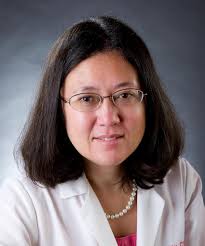
Wendy Chung, MD, PhD
Wendy Chung, MD, PhD
Wendy Chung, MD, PhD is a clinical and molecular geneticist and the Chief of the Department of Pediatrics at Boston Children’s Hospital and Harvard Medical School. Dr. Chung directs NIH funded research programs in human genetics of pulmonary hypertension, breast cancer, obesity, diabetes, autism, birth defects including congenital diaphragmatic hernia and congenital heart disease. She is the Principal Investigator of the GUARDIAN study (Genomic Uniform-screening Against Rare Diseases in All Newborns), which uses genome sequencing to expand newborn screening by identifying additional actionable genetic conditions—advancing earlier diagnosis, timely intervention, and equity in access to care Dr. Chung is a national leader in the ethical, legal, and social implications of genomics. She was the recipient of the Rare Impact Award from the National Organization of Rare Disorders and is a member of the National Academy of Medicine and the American Academy of Physicians. Dr. Chung received her B.A. in biochemistry from Cornell University, her M.D. from Cornell University Medical College, and her Ph.D. from The Rockefeller University in genetics.
Dr. David Bick
Dr. David Bick
Dr. David Bick is Principal Clinician for the Newborn Genomes Programme at Genomics England. He previously served as Chief Medical Officer and a faculty investigator at the Hudson Alpha Institute for Biotechnology and has held senior clinical sequencing and genetics leadership roles in U.S. academic children’s hospitals. He is board certified in pediatrics, clinical genetics, and clinical molecular genetics, and is widely recognized for pioneering early clinical implementation of whole-genome sequencing and genomic medicine clinic models.
Dr. Jorge Lascano
Dr. Jorge Lascano
Dr. Jorge Lascano is an Ecuadorian physician and recognized expert in cystic fibrosis and pulmonary medicine. He currently serves as Associate Professor of Medicine and Director of the Adult Cystic Fibrosis Program at the University of Florida College of Medicine, where he also directs clinical education and residency training within the Division of Pulmonary and Critical Care. Dr. Lascano completed his medical degree at Universidad Católica in Ecuador, followed by residency and fellowship training in Internal Medicine and Pulmonary Disease & Critical Care at the University of Miami. His clinical and academic work focuses on cystic fibrosis, rare pulmonary disorders, and complex respiratory care.
Dr. Daniel Sánchez
Dr. Daniel Sánchez
Dr. Daniel Sánchez is a physician with training and experience in public health and hospital management, skills that have enabled him to serve and lead in several healthcare institutions across the country, including the “Dr. José Daniel Rodríguez” Infectious Diseases Hospital and the Hospital de Especialidades. He has also served as a Coordinator for the Ministry of Public Health in Zones 5 and 8, where he successfully implemented health-sector programs and policies.
Félix Galarza
Félix Galarza
Félix Garza is President of the Federation of Rare Diseases of Ecuador, where he works with patient organizations, clinicians, and policymakers to strengthen rare disease recognition and improve access to diagnosis, care, and orphan therapies. He advocates for patient-centered health policy, equitable coverage decisions, and the inclusion of lived experience in national rare disease strategies—amplifying patient voices and supporting families across Ecuador’s rare disease community.
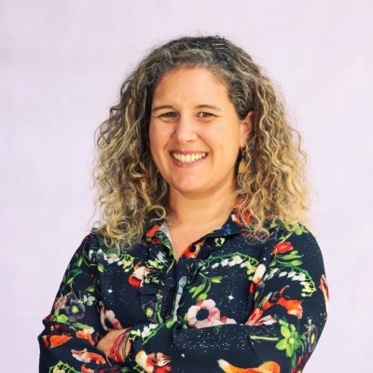
Dr. Solana Terrazas Martins
Dr. Solana Terrazas Martins
Dr. Solana Terrazas Martins is a Chilean physician and public health specialist with advanced training in epidemiology and real-world evidence (RWE). She has held positions in both the public and private sectors, with extensive experience in cancer epidemiology, health policy implementation, and developing innovative intersectoral strategies for the health system. She has collaborated in the incorporation of new technologies into Law No. 20,850, which “Creates a financial protection system for high-cost diagnoses and treatments and pays posthumous tribute to Luis Ricarte Soto Gallegos,” and in the incorporation of new health issues into Law No. 19,966, which “Establishes a Health Guarantee Regime.” She currently serves as an academic in the Department of Public Health at the Autonomous University of Chile, Senior Advisor on policies for access to high-cost medicines at Sway Latam, and Director of Health Innovation at Workmed Chile.
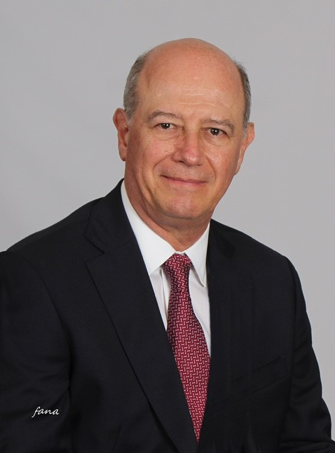
Dr. Manuel Saborío
Dr. Manuel Saborío
Dr. Manuel Saborío is a physician with extensive expertise in pediatrics and clinical genetics, and the current President of Latin American Society for Inborn Errors of Metabolism and Neonatal Screening, with a professional career dedicated to the diagnosis, management, and prevention of congenital, hereditary, and metabolic diseases in pediatric populations. He earned his medical degree from the University of Costa Rica in 1982 and completed his specialization in Pediatrics in 1987 at the University of Costa Rica School of Medicine. In 1990, he obtained a specialization in Medical Genetics from the Johns Hopkins University School of Medicine, followed by advanced training in Health Services Administration at the Central American Institute of Public Administration in 2008. From 2001 to 2023, Dr. Saborío served as Head of the Medical Genetics Service at the National Children’s Hospital of Costa Rica, where he led clinical care and research focused on congenital malformations, hereditary disorders, pediatric diseases, and inborn errors of metabolism. During the same period, he was Director of Costa Rica’s National Newborn Screening Program, playing a central role in strengthening early detection strategies and improving long-term health outcomes for children nationwide.
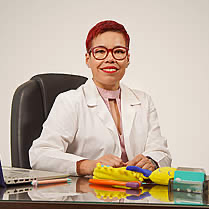
Dr. Heydi Sanz
Dr. Heydi Sanz
Dr. Heydi Sanz is a pediatric neurologist based in Cochabamba, Bolivia, committed to advancing child neurological health through clinical care, academic engagement, and community-based initiatives. She practices at the Manuel Ascencio Villarroel Children’s Hospital, a national public referral hospital, and serves as a faculty member at the Universidad Mayor de San Simón, teaching at both undergraduate and graduate levels. She has extensive experience in the comprehensive evaluation, diagnosis, and management of pediatric neurological disorders, including epilepsy, neurodevelopmental disorders, sleep disorders, and other complex neurological conditions. Her clinical approach is holistic and patient-centered, focused on improving the quality of life of children and their families. Dr. Sanz is a founding member of the Bolivian Society of Pediatric Neurology and an active member of Fundación Qhana Uj, dedicated to the prevention of leukodystrophies, as well as the Bolivian Association of Rare Diseases, where she contributes to efforts aimed at early diagnosis, awareness, and multidisciplinary care for rare neurological conditions.
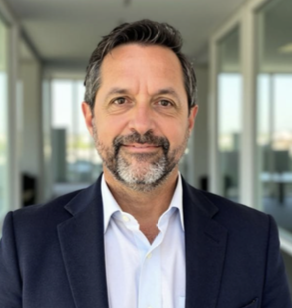
Dr. Juan Francisco Cabello
Dr. Juan Francisco Cabello
Dr. Juan Francisco Cabello is co-chair of the RDI-Lancet Commission on Rare Diseases and a pediatric neurologist with more than two decades of experience at the intersection of clinical care, medical education, and public health policy. He holds academic appointments at the University of Valparaíso and the INTA of the University of Chile and serves as an Adjunct Faculty Member in the Department of Neurology at Boston Children’s Hospital. His clinical and research focus centers on inborn errors of metabolism, newborn screening, and rare diseases, where he has led initiatives to expand national screening programs and develop multidisciplinary models of care across Latin America. He previously served as President of the Latin American Society for Inborn Errors of Metabolism and Newborn Screening (SLEIMPN) and currently advises committees within Chile’s Ministry of Health. Throughout his career, Dr. Cabello has championed international collaboration to address inequities in the diagnosis and treatment of rare and metabolic diseases. In his current role as Senior Vice President for Latin America at Uncommon Cures, he contributes to building sustainable, locally led infrastructures for access to diagnostics and therapies.
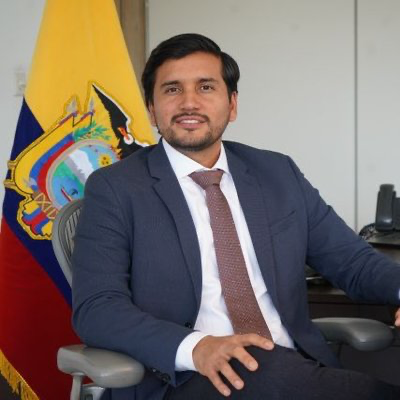
Dr. Jimmy Martin
Dr. Jimmy Martin
Dr. Jimmy Martin is a physician and public health expert who previously served as Minister of Public Health of Ecuador and currently acts as Scientific and Medical Advisor to María José Pinto, Vice-president of Ecuador and acting Minister of Health. Dr. Martin has extensive experience across both the public and private health sectors. In 2024, he served as National Director of Health Research at Ecuador’s Ministry of Public Health, where his leadership and technical rigor contributed significantly to advancing evidence-based public health policies. His academic background includes a PhD from Universidad Miguel Hernández de Elche (Spain), a master’s degree in public health from the Carlos III Health Institute (Spain), and medical training from Universidad Católica de Santiago de Guayaquil. Professionally, Dr. Martin has worked as an international consultant for the Pan American Health Organization (PAHO/WHO) in several countries across the region, and as a university professor at Universidad Católica de Santiago de Guayaquil. His work is driven by a strong commitment to public service, with the goal of promoting public policies that benefit Ecuador’s 18 million citizens and ensuring that universal access to health care is timely, equitable, and free of charge.
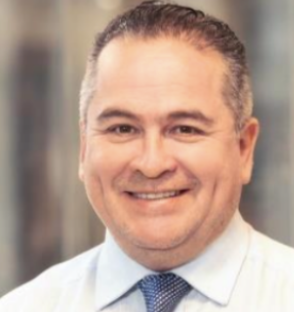
Dr. Alcy R. Torres, FAAP
Dr. Alcy R. Torres, FAAP
Dr. Alcy R. Torres, FAAP, received his MD from Universidad Central del Ecuador, completed his pediatric residency at Nicklaus Children’s Hospital, and neurology training at the Longwood Neurology Program, Harvard Medical School (HMS). He then completed the Pediatric Neurology Fellowship at Boston Children’s Hospital, HMS, where he remained on staff for 13 years before becoming Director of the Pediatric Brain Injury Program at Boston Medical Center and Professor of Pediatrics and Neurology at the Boston University Chobanian and Avedisian School of Medicine. He is an international leader in pediatric neurology with outstanding clinical, educational, research, and publication records. He pioneered a new treatment method for CNS folate deficiency, dramatically changing patient outcomes; this work is listed as a reference in the NIH library.
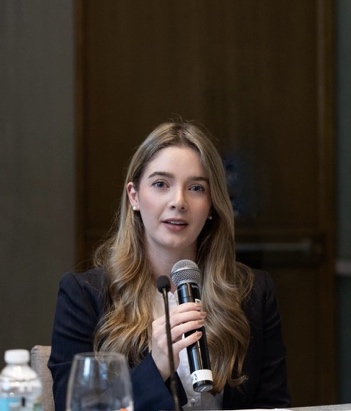
Dr. Mariana Rico
Dr. Mariana Rico
Dr. Mariana Rico is Vice President and Medical Director of Americas Health Foundation, based in Bogotá Colombia and trained at Pontificia Universidad Javeriana. She has a background in public health and works to advance access to healthcare across Latin America. She has led over 70 consensus conferences, task forces, and technical reports, collaborating with Ministries of Health, regulatory agencies, key opinion leaders, medical societies, and patient organizations to support evidence-based decision making across the region. Her work focuses on the policy and economic dimensions of rare diseases, vaccines, oncology, infectious and autoimmune diseases, and women’s health. She specializes in issues related to priority setting, resource allocation, and access to health innovation, with an emphasis on reducing inequities and strengthening the sustainability of public health systems. Dr. Rico has authored over 30 international publications and has extensive experience building multi stakeholder platforms that support national and regional health strategies across Latin America.
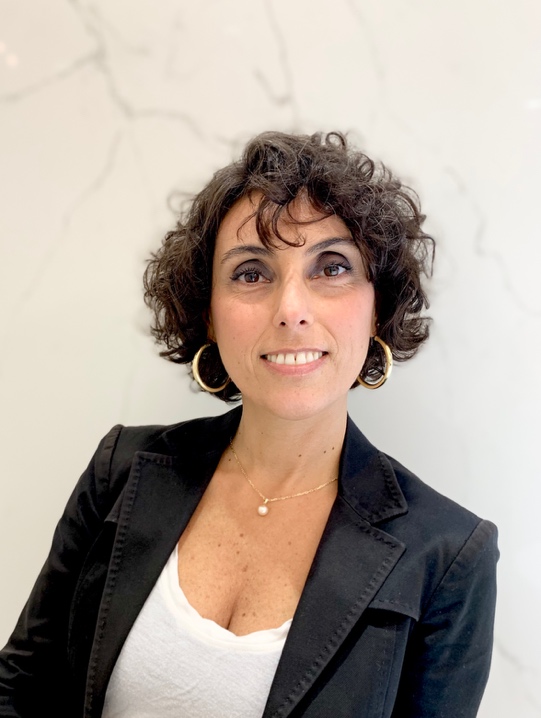
Felicitas Colombo, MSc
Felicitas Colombo, MSc
Felicitas Colombo, MSc, is a public health policy specialist with over 20 years of experience promoting regional and global impact strategies and multisectoral collaboration. She is currently Director of Public and Government Affairs at the Americas Health Foundation, where she works on regulatory analysis, public policy, advocacy, access, and health governance in Latin America and the Caribbean. In 2021, she launched the Rare Diseases in the Caribbean and Latin America (ERCAL) platform, a regional group that brings together patient organizations and key stakeholders from 11 countries to improve early diagnosis, access to treatment, patient registries, and regulatory frameworks for rare diseases. She has also organized and positioned the first two Latin American Congresses on Rare Diseases in leading forums for regional dialogue. Felicitas has a degree in Social Communication and an Executive Master of Public Administration from the London School of Economics (LSE), specializing in regulatory analysis and public policy design.
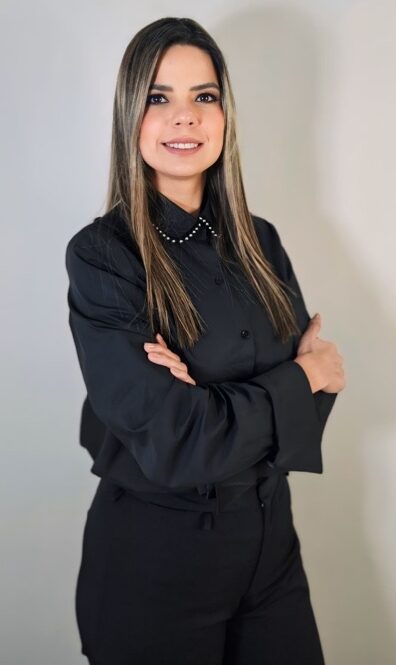
Dr. Tatiana Roy
Dr. Tatiana Roy
Dr. Tatiana Roy is an internist and specialist in diabetes and obesity, currently practicing in Paraguay. Her professional career is deeply informed by a personal experience that has shaped her strong commitment to rare diseases. She is the mother of two daughters with glutaric aciduria type 1—one diagnosed early and the other diagnosed later, with resulting sequelae. This dual perspective has given her a profound understanding of the importance of early diagnosis, access to appropriate treatment, and comprehensive support for patients and their families. Through her combined roles as a physician and a mother, Dr. Roy actively advocates for greater visibility of rare diseases in Latin America and contributes to the development of more equitable, empathetic, and patient- and family-centered health systems.
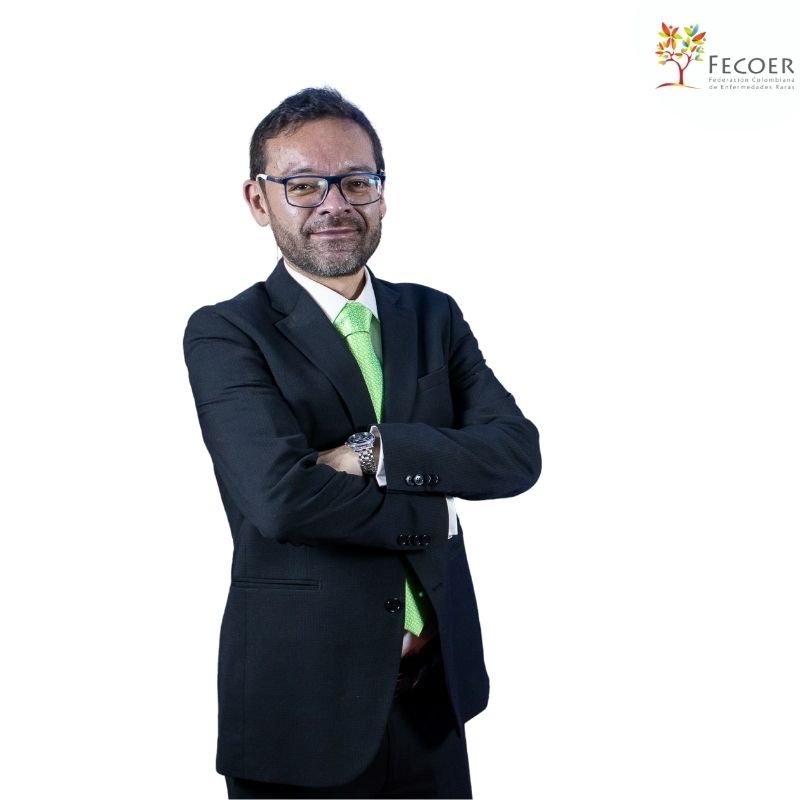
Diego Fernando Gil Cardozo
Diego Fernando Gil Cardozo
Diego Fernando Gil Cardozo is an industrial engineer with a postgraduate degree in management. He currently serves as Executive Director of the Colombian Federation of Rare Diseases (FECOER), an organization that brings together 51 patient groups to represent the voice of the rare disease community in Colombia.
Living with a diagnosis of pulmonary hypertension for over 30 years, he has leveraged his technical background and lived experience to advocate for the rights of people affected by rare diseases at both local and global levels.
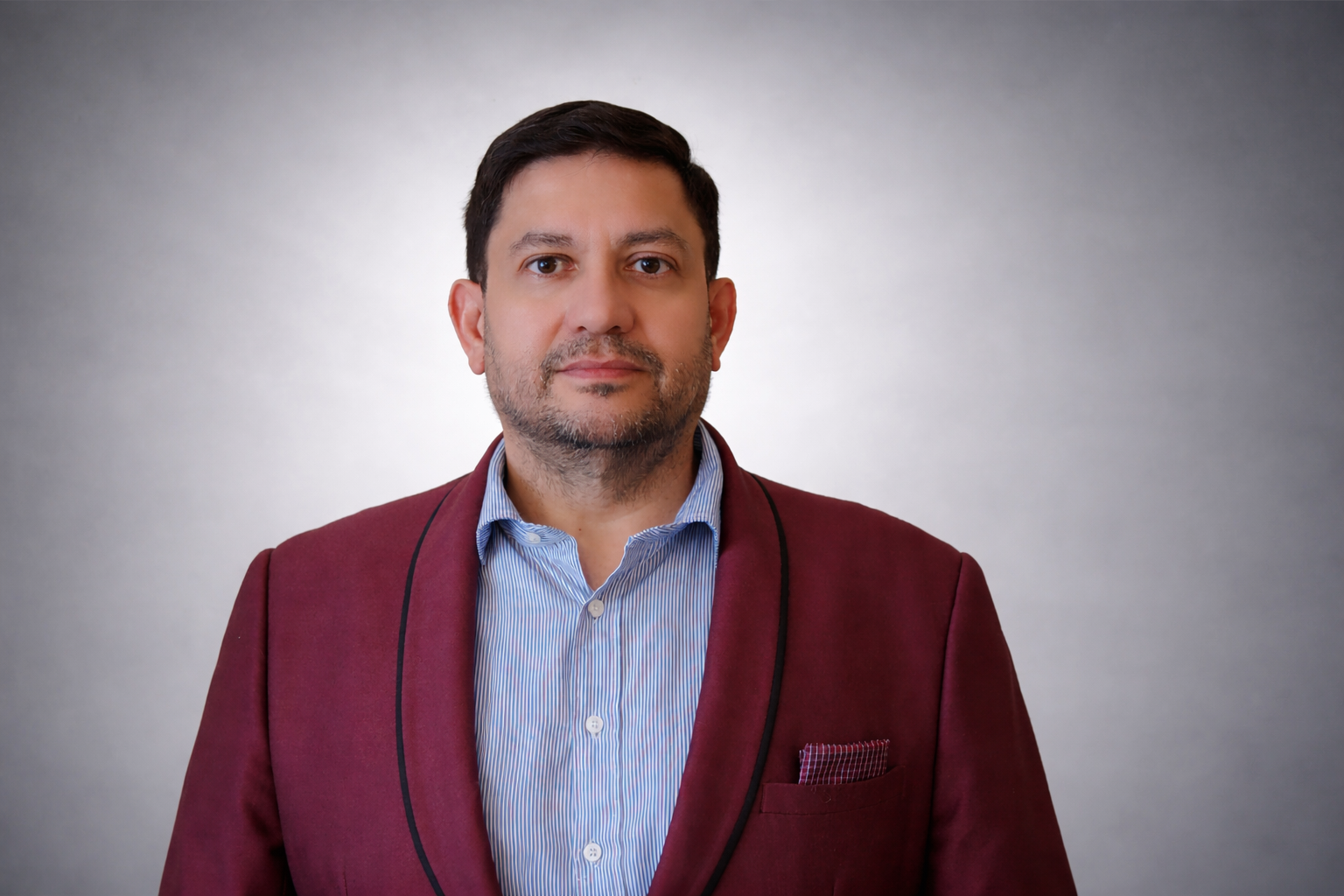
Ronny Garro Ureña
Ronny Garro Ureña
is the Executive Director and CEO of the Costa Rican Rare Diseases Network (REDER CR), where he coordinates the Network’s efforts to build support and information systems for patients and their families at both the local and regional levels, with the goal of empowering people living with rare diseases.
He works closely with member organizations of the Network to coordinate high-impact actions for society at large and for decision-makers, as well as awareness-raising initiatives among healthcare professionals and the media, fostering greater public understanding of the realities faced by people living with rare diseases.
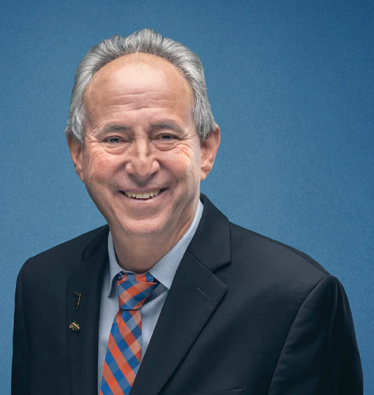
Dr. Desmond Schatz
Dr. Desmond Schatz
Dr. Desmond A. Schatz, a leading pediatric endocrinologist and world leader in type 1 diabetes research and care. He serves as Professor of Pediatrics, Medical Director of the Diabetes Institute and Director of the Clinical Research Center at the University of Florida in Gainesville. Dr. Schatz’s work has contributed to the advancement of knowledge about the prediction, natural history, genetics, immunopathogenesis, prevention and management of type 1 diabetes, especially in children and adolescents. He has been involved in this area since the mid-1980s and has published hundreds of peer-reviewed scientific articles. He has held leadership roles in the American Diabetes Association, including Chair of Science and Medicine, and directs multiple NIH-funded research initiatives, including TrialNet, TEDDY, and the Human Islet Research Network. His contributions have been recognized with awards such as the Banting Medal and the George Eisenbarth Award for his research in diabetes prevention and treatment.
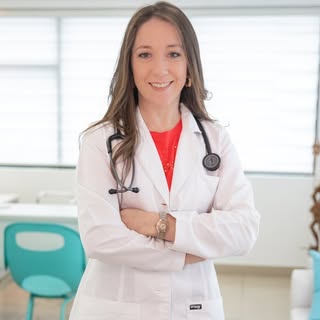
Dra. Josefa Palacio
Dra. Josefa Palacio
Dr. Josefa Palacio Riofrío, internist with specialty in Endocrinology and high specialty in Diabetes, graduated from the Universidad Autónoma de México. She develops her clinical practice in Guayaquil, Ecuador. Participates in the ECHO project of online education on Diabetes type 1 in 2020. Part of the research team Valdivia Project on Wolfram Syndrome developed at UEES. I live with type 1 diabetes since I was 14 years old, I have participated more than 20 years ago with the Juvenile Diabetes Foundation of Ecuador in national and international camps for people with type 1 Diabetes and education programs for doctors and patients. My greatest inspiration is to transmit knowledge and accompany people and families living with type 1 Diabetes. I am convinced that education and technology change lives.
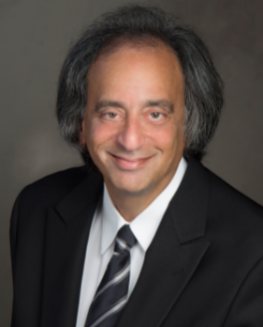
Jeffrey Himmel
Jeffrey Himmel
Jeffrey Himmel is the founder of the Harriet Joyce Foundation, a non-profit organization that promotes children’s health in Latin America, especially in Ecuador. The Foundation collaborates with medical and research institutions to strengthen health systems, build capacity in science and medicine, develop epidemiological data to inform policy, and support physicians and families. Himmel, a seasoned healthcare entrepreneur, was previously President and CEO of The Himmel Group, where he led the growth and sale of major consumer health brands. In 2025, he was named Strategic Advisor to the International Rare Diseases-Lancet Commission, advising on pathways from global recommendations to national-level execution, especially in Latin America, drawing on his expertise in health financing, public partnerships, and implementation strategy. Himmel has lectured extensively on rare diseases across Latin America, Europe, and Asia.
Dr. Francisco Pasquel
Dr. Francisco Pasquel
Dr. Francisco J. Pasquel, Associate Professor of Medicine and Global Health at Emory University School of Medicine, Division of Endocrinology, Metabolism and Lipids. He is a specialist in endocrinology, diabetes and metabolism, and also serves as Medical Director of Endocrinology at Grady Health System. He completed his training in internal medicine, endocrinology and epidemiology at Emory University, and obtained his medical degree from the Pontificia Universidad Católica del Ecuador. His clinical and research work focuses on diabetes, cardiometabolic diseases, and the use of technologies to improve the management and monitoring of patients with diabetes. Dr. Pasquel also actively participates in translational diabetes research as co-director of research programs at the Emory Global Diabetes Research Center, leading initiatives to improve clinical care and technology use in patients with metabolic diseases.
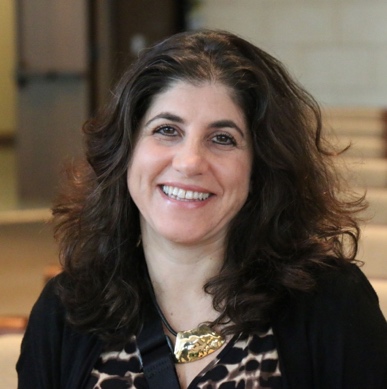
Dra. Raquel Faradji
Dra. Raquel Faradji
Dr. Raquel Faradji, graduated in Medicine from the Universidad Anáhuac and specialist in Internal Medicine from Jackson Memorial Hospital at the University of Miami. She subsequently completed her fellowship in Endocrinology, Metabolism and Diabetes at the Joslin Clinic at Harvard University, one of the world-leading institutions in diabetes research and treatment. Her academic and scientific work has focused on the development of innovative therapies for diabetes, including research in genetic engineering for the creation of artificial beta cells. She also holds a subspecialty in intensive diabetes therapy using insulin pumps. Dr. Faradji participated in the TOLERACEL-DT1 project, aimed at developing tolerogenic dendritic cells for the treatment of type 1 diabetes. She has also been the national leader of the international HAT study (Hypoglycemia Assessment Tool), a research initiative focused on evaluating hypoglycemic episodes in insulin-treated patients. She is the founder of the EnDi Clinic, dedicated to the comprehensive management of patients with endocrine diseases and diabetes, and currently serves as Vice President of the Mexican Society of Nutrition and Endocrinology. She was awarded the Alfonso Rivera Prize from the SMNE, recognizing professionals who have made extraordinary contributions in the academic and scientific field before the age of 45, and is author and co-author of numerous scientific publications.
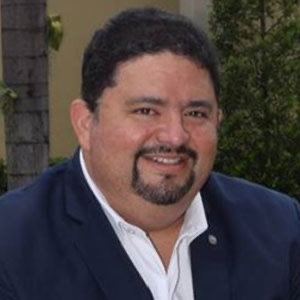
Dr. Fabián Ortiz
Dr. Fabián Ortiz
Dr. Fabián Ortiz Herbener, specialist in Nephrology, with an outstanding clinical, academic and scientific career in the management of kidney diseases. He obtained his Doctor of Medicine degree from the University of Guayaquil and completed his specialization in Nephrology at the Hospital Clínico Universitario of Valencia, Spain. He also holds a Master in Public Health from the Pompeu Fabra University of Barcelona and advanced training in hemodialysis and renal medicine. Throughout his career he has actively participated in research and medical education, including his work as a researcher at the Nephrology Service of the Puigvert Foundation and as a professor in nephrology training programs. Dr. Ortiz has held leadership positions in the scientific and clinical field, including the presidency of the Ecuadorian Society of Nephrology (2015-2017) and his role as vice-president of the Andean Region of the Latin American Society of Nephrology and Hypertension (SLANH). He is a member of multiple international scientific societies, including the American Society of Nephrology, the International Society of Nephrology and the European Society of Nephrology.
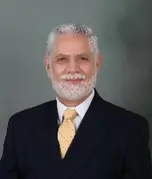
Dr. Joffre Lara
Dr. Joffre Lara
Dr. Joffre Lara, cardiologist specialized in hemodynamics, with extensive clinical and academic experience in the management of cardiovascular diseases. He currently serves as Head of the Interventional Cardiology Service at the Hospital Universitario of Guayaquil. He is a postgraduate professor in Cardiology at the Universidad Espíritu Santo (UEES) and a faculty member in Internal Medicine at the Universidad Estatal de Guayaquil. Throughout his career he has held important scientific leadership positions, including the presidency of the Pan-American College of the Endothelium and the Ecuadorian Society of Atherosclerosis and Endothelium, as well as the vice-presidency of the Ecuadorian Society of Cardiology, Guayas Chapter. Dr. Lara is also a member of the Editorial Board of the Journal of the American College of Cardiology (Spanish edition) and is author and co-author of scientific publications in high-impact journals including International Journal of Cardiology, Journal of Hypertension, The Lancet and The New England Journal of Medicine.
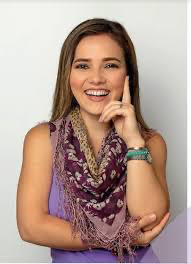
Erika Backhoff
Erika Backhoff
Erika Backhoff Alard is a clinical psychologist, certified diabetes educator and contextual behavioral therapist, with over ten years of experience supporting children, adolescents, adults and their families in the process of living with type 1 diabetes. Throughout her career she has developed an interdisciplinary approach that integrates mental health, diabetes education and emotional well-being, promoting psychological tools to improve the quality of life of people living with diabetes. She is the founder of the Yo Consciente platform, through which she promotes education, psychological support and self-care strategies aimed at strengthening emotional well-being and self-management in people living with diabetes and other health conditions.
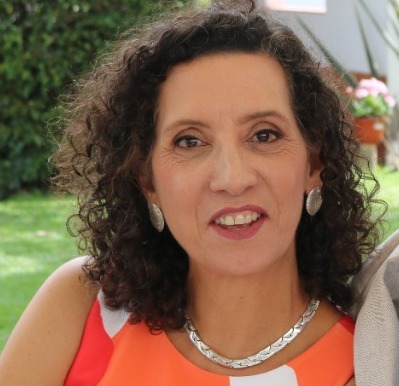
Ntr. Mercedes Helena López
Ntr. Mercedes Helena López
Ntr. Mercedes Helena López holds a degree in Biological Sciences and a Master’s degree in Nutrition from Universidad San Francisco de Quito. She served as a full-time Nutrition professor for 12 years at Universidad San Francisco de Quito. In 2008, following her daughter’s type 1 diabetes diagnosis, she redirected her professional career toward this field. In 2009 she obtained her Certified Diabetes Educator credential from the Universidad de La Salle in Mexico. She was Director of Education at the Juvenile Diabetes Foundation of Ecuador until 2021. She currently dedicates herself to training people with type 1 diabetes in nutrition and the use of new technologies for managing their condition. Her primary professional interest is to contribute to improving the quality of life of people living with diabetes in Ecuador.
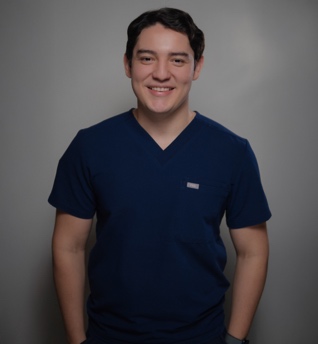
Dr. Sebastián Manzanares
Dr. Sebastián Manzanares
Dr. Sebastian Manzanares Cortés, Honduran physician with experience in the comprehensive management of type 1 diabetes and the integration of technology in healthcare. He currently coordinates the first Public Intensive Control Clinic for Type 1 Diabetes in Honduras, driving a structured, evidence-based, person-centered care model. His work integrates clinical practice, diabetes education and health advocacy, promoting the standardization of care and the defense of equitable access to treatment and technology for those living with type 1 diabetes.
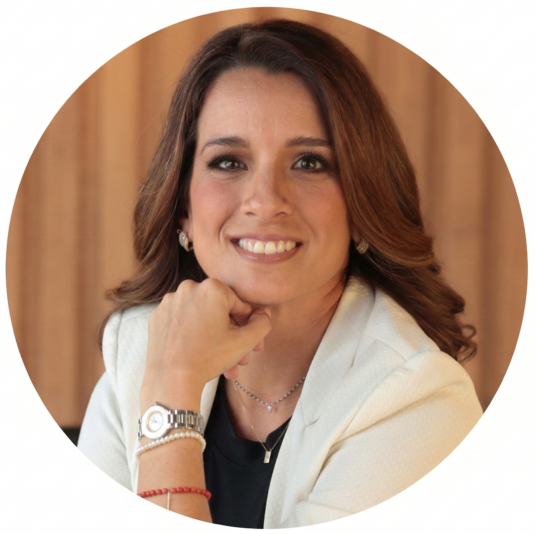
Ab. Maria Fernanda Rumbea
Ab. Maria Fernanda Rumbea
María Fernanda Rumbea is an attorney with more than 20 years of experience leading teams in public affairs management. She is a legal professional and expert in sustainable development, administrative law, and corporate law, holding a specialization and Master’s degree in Corporate Law. Her career spans extensive leadership roles in legal, administrative, and sustainability-focused initiatives.
She is recognized for her work in environmental management in the city of Guayaquil, where she served as Director of Environment and Preservation of Green Areas at the Municipality of Guayaquil (2021–2023). In this role, she led and implemented sustainable development strategies and programs aimed at protecting fragile ecosystems, including ecological restoration and the reforestation of more than 20,000 native trees of the tropical dry forest.
Her leadership has also extended to the nonprofit sector, where she led Recicla LATAM Foundation in Ecuador, an organization also present in Peru and Colombia focused on environmental sustainability.
She currently serves as Operations Director at Setenta-30 Consulting, where she leads initiatives related to ecosystem conservation and strategic transformation focused on sustainability.
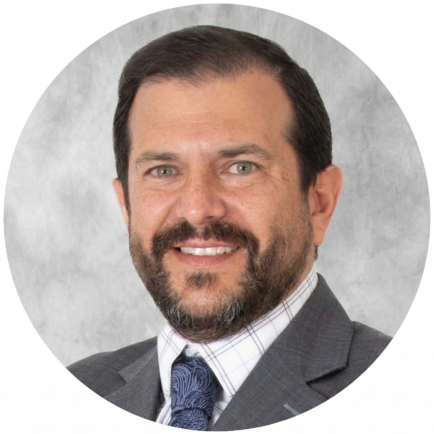
Dr. Pablo Suárez Saona
Dr. Pablo Suárez Saona
Dr. Pablo Suárez Saona is a physician graduated from the Pontifical Catholic University of Ecuador (Quito) and a specialist in Ophthalmology, trained at OftalmoSalud in Lima, Peru, where he also completed a fellowship in Anterior Segment and Refractive Surgery.
He currently serves as Medical Director of the Ecuadorian Foundation for the Blind (Fundación Ecuatoriana Vista para Ciegos) and is the President of the Ecuadorian Society of Ophthalmology. Throughout his career, he has been actively involved in advancing the academic and scientific development of ophthalmology in the region.
In his clinical practice, he is part of the ophthalmology staff at QRA Especialidades and leads Suárez Oftalmología, combining his clinical work with a strong commitment to promoting visual health and expanding access to high-quality ophthalmic care.
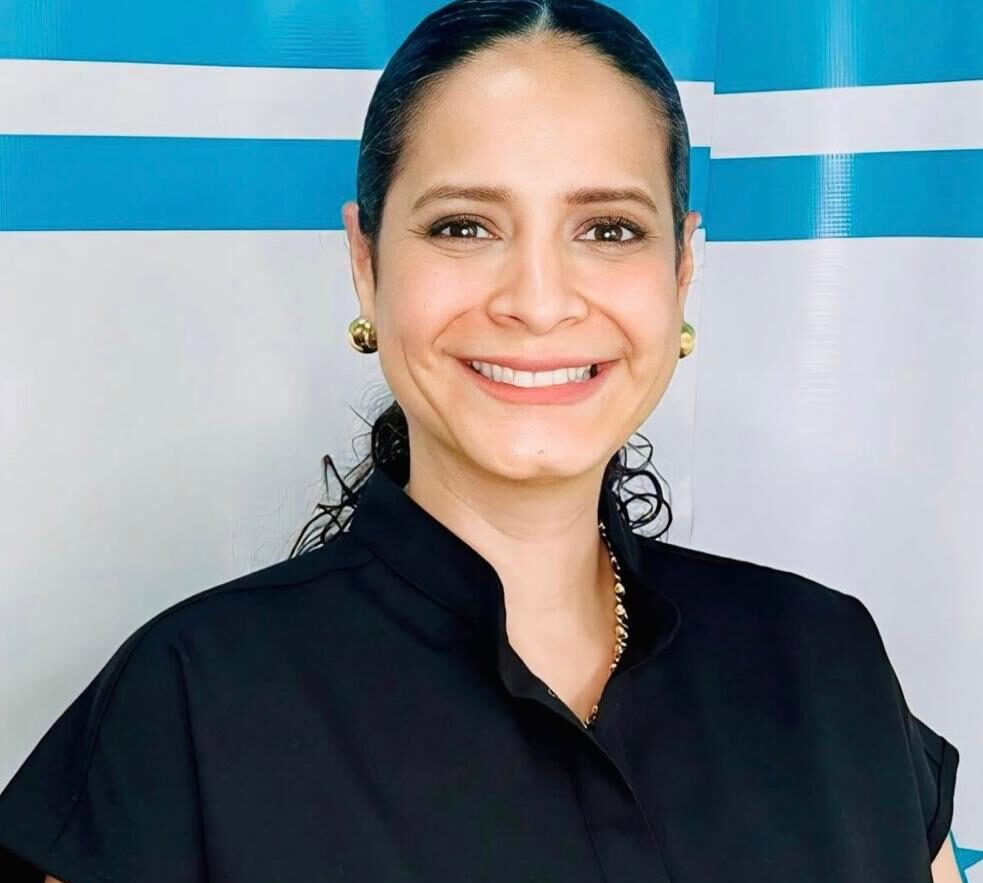
Dra. María Alejandra Ramos
Dra. María Alejandra Ramos
Dr. Ángel Ortiz
Dr. Ángel Ortiz
Dra. Ana María Gómez
Dra. Ana María Gómez
Dr. Laura Idrobo Mariño